A relationship develops
Douglass met Lincoln as a critic pressing the claims of Black soldiers. By the inaugural reception, Lincoln publicly welcomed him as a friend and sought his opinion of the address.
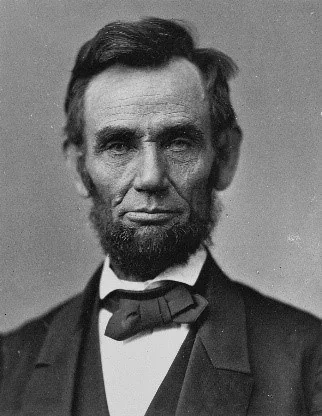
PEOPLE WORTH GETTING TO KNOW
16th president of the United States
The stories collected here follow Lincoln through decisions and encounters: his response to Brown, colonization, emancipation, his meetings with Douglass, the fight for abolition, and the Second Inaugural.
The Lincoln–Douglass thread begins with disagreement and follows their development toward friendship and the understanding expressed in Douglass’s memorial oration. Other stories—Hooker, a blunt anecdote, and Lincoln’s distant reputation—open additional paths through the collection.
The thread is about how Lincoln and Douglass were at odds and then their trajectories intertwined. Lincoln grew, and Douglass grew too. Douglass came to judge Lincoln by what a man could do in his time. The lesson is not the harshness; it is the harmony where they ended up.
1859–1876 · Washington, D.C.
An early point of distance.
Explore the story →A profound disagreement about the future.
Explore the story →Advocacy for Black soldiers brings Douglass to Lincoln.
Explore the story →Lincoln asks Douglass to help reach people still enslaved.
Explore the story →The inaugural reception.
Explore the story →Douglass’s retrospective tribute to his friend.
Explore the story →A CLOSER LOOK
The growth, words, and encounters that brought Lincoln and Douglass together.
Douglass met Lincoln as a critic pressing the claims of Black soldiers. By the inaugural reception, Lincoln publicly welcomed him as a friend and sought his opinion of the address.
The Second Inaugural sits beside the emancipation decisions and the constitutional struggle. The collection follows what Lincoln said alongside what he attempted and accomplished.
START HERE
Frederick Douglass · Life and Times (1881) (opens in a new tab)Source for Abraham Lincoln: Frederick Douglass · Life and Times (1881).
A GOOD PLACE TO BEGIN
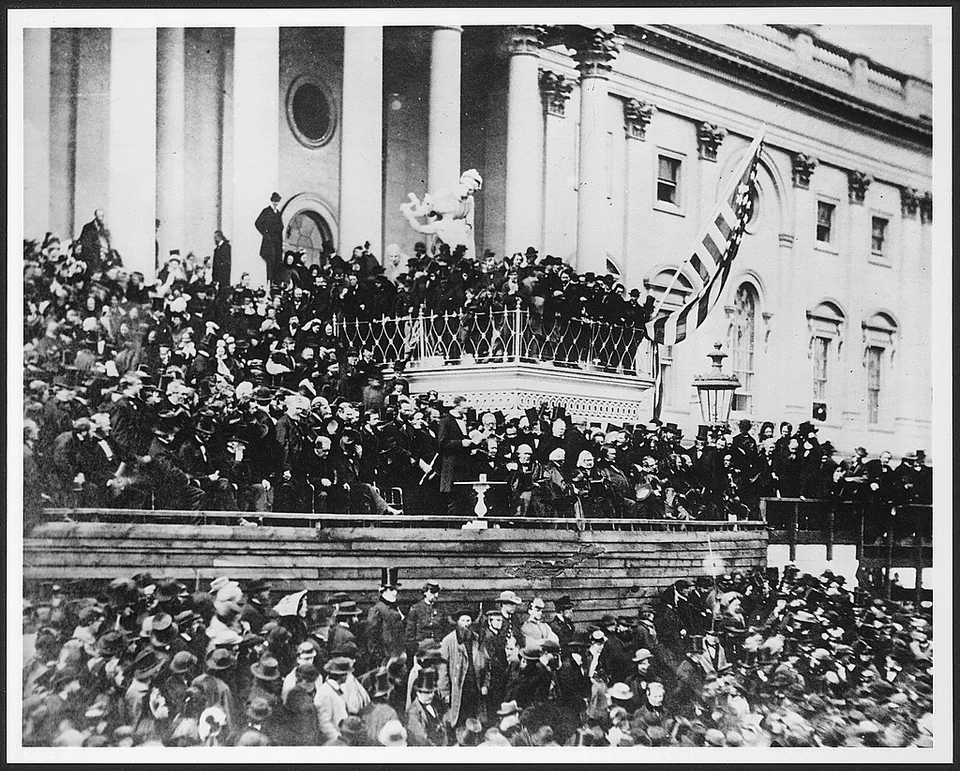
Abraham Lincoln · March 4, 1865
Slavery, responsibility, and reconciliation at the end of the Civil War.
Explore this work →FOLLOW YOUR CURIOSITY
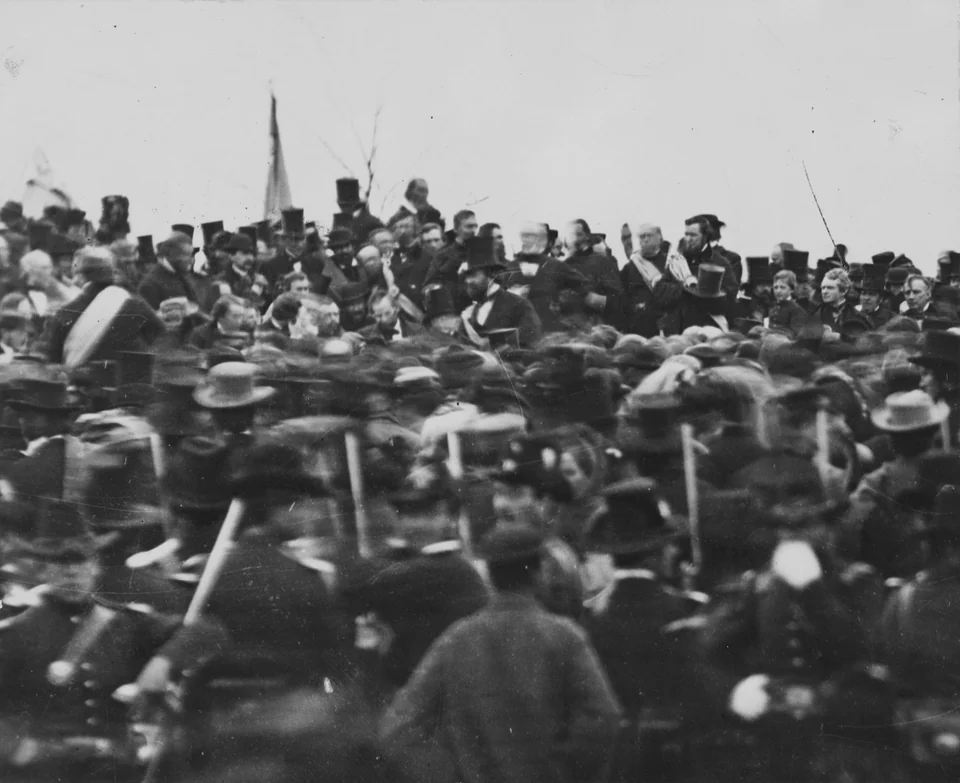
Introductions are grounded in the sources below. Collection notes and reading prompts provide an editorial starting point; personal opinions are identified in the collection’s content.
KEEP EXPLORING
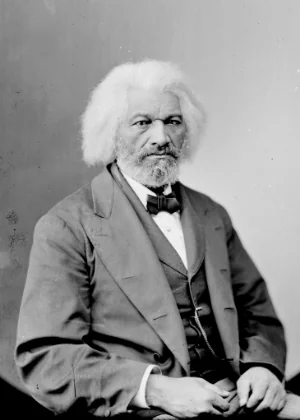 Person
The relationship develops from profound disagreement toward friendship and the understanding expressed in Douglass’s memorial tribute.
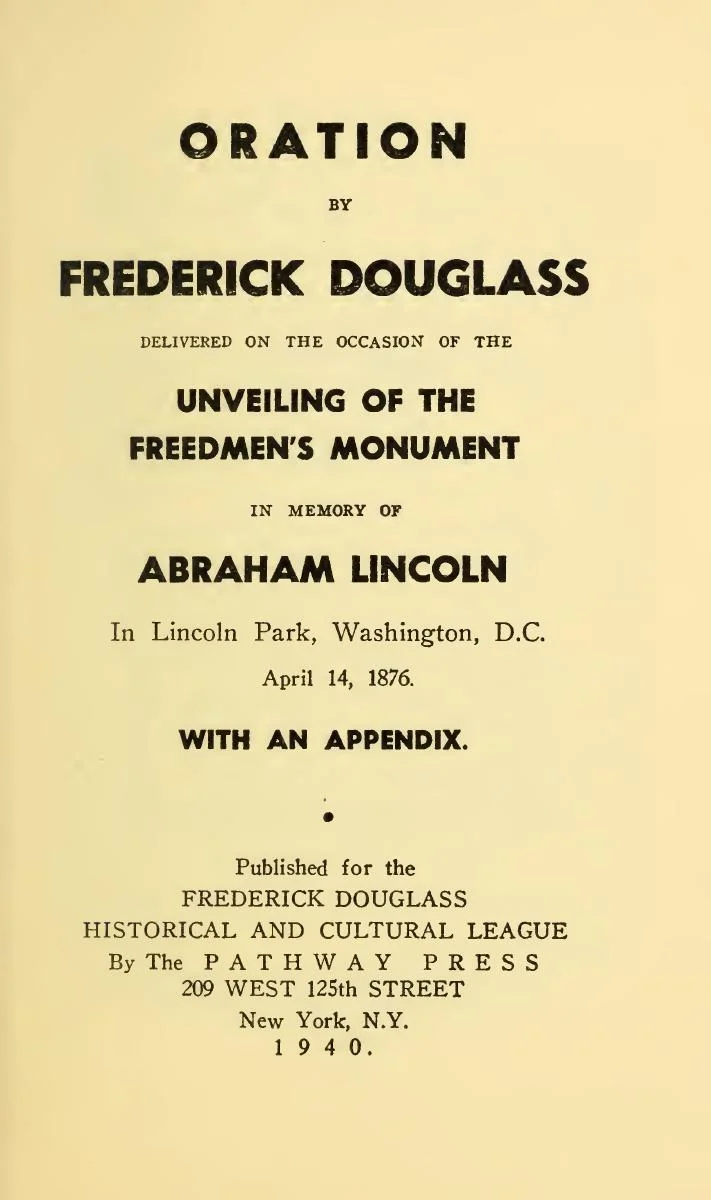 Speech
The relationship develops from profound disagreement toward friendship and the understanding expressed in Douglass’s memorial tribute.
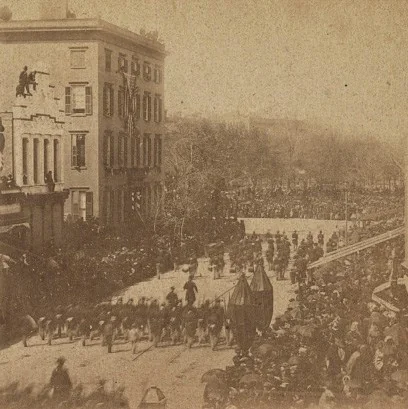 Photograph
The photograph records the procession after Lincoln’s death.
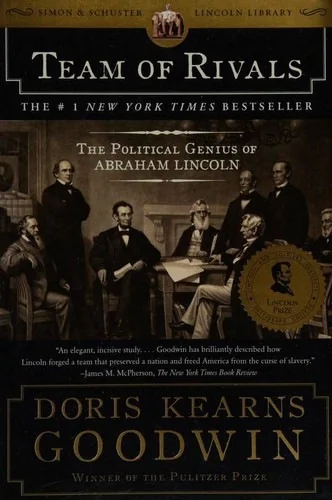 Book
Goodwin’s book examines Lincoln through the rivals in his cabinet.
StoryA selected story in Abraham Lincoln’s part of the collection.
StoryA selected story in Abraham Lincoln’s part of the collection.
StoryA selected story in Abraham Lincoln’s part of the collection.
StoryA selected story in Abraham Lincoln’s part of the collection.
StoryA selected story in Abraham Lincoln’s part of the collection.
StoryA selected story in Abraham Lincoln’s part of the collection.
StoryA selected story in Abraham Lincoln’s part of the collection.
StoryA selected story in Abraham Lincoln’s part of the collection.
StoryA selected story in Abraham Lincoln’s part of the collection.
StoryA selected story in Abraham Lincoln’s part of the collection.
StoryA selected story in Abraham Lincoln’s part of the collection.
StoryA selected story in Abraham Lincoln’s part of the collection.
PersonThe relationship develops from profound disagreement toward friendship and the understanding expressed in Douglass’s memorial tribute.