1859: a warning
Brown’s final note looks forward to a reckoning through blood.
Story · A CLOSER LOOK
ABOUT THIS STORY
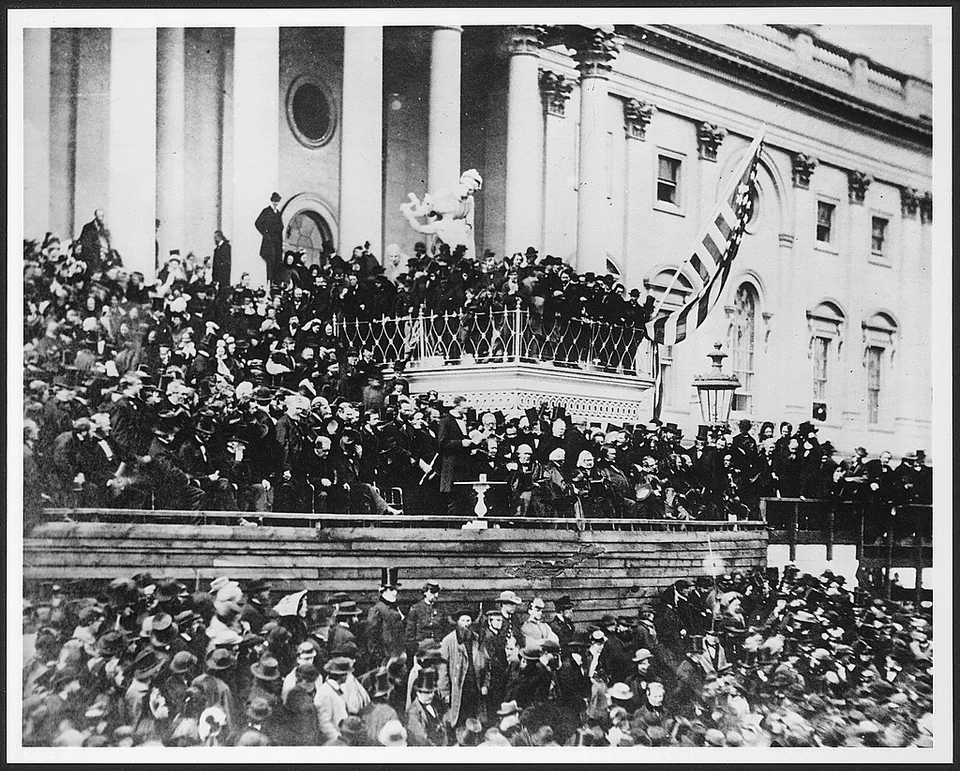
Brown wrote before the war that the country’s crimes would be purged only with blood. In March 1865, Lincoln contemplated a war continuing until the wealth of unrequited toil was lost and the blood drawn by slavery repaid.
These passages are placed together because of the question they raise for me about Lincoln’s trajectory and Brown’s prescience. Sherman’s experience supplies another way into how differently the coming war’s magnitude was understood.
Is there a conscious or unconscious acknowledgment of parts of what John Brown said? The connection is in Brown’s words and the thematic crux of the Second Inaugural. Lincoln grew, and Brown was more prescient than his contemporaries. That is a valid thing to wonder about.
1859–1865 ·
Brown’s final warning and Lincoln’s Second Inaugural, read beside one another.
IN THEIR OWN WORDS
A CLOSER LOOK
Brown’s final warning and Lincoln’s Second Inaugural, read beside one another.
Brown’s final note looks forward to a reckoning through blood.
Lincoln considers whether the terrible war might be the price required for slavery’s wrongs. The original passages are presented together below.
START HERE
Brown (opens in a new tab)Source for Brown and Lincoln: blood, judgment, and a question: Brown.
FOLLOW THE CONNECTIONS
Follow the original source to explore the work in its own context.
The connection is Eric’s interpretive question, grounded in the two texts. No direct historical acknowledgment by Lincoln is identified in the sources gathered for this page.
Introductions are grounded in the sources below. Collection notes and reading prompts provide an editorial starting point; personal opinions are identified in the collection’s content.
KEEP EXPLORING
 Person
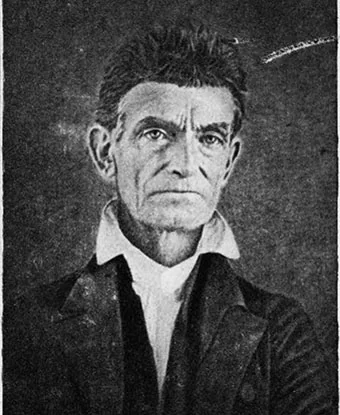
A selected story in John Brown — The Meteor of the War’s part of the collection.
 Person
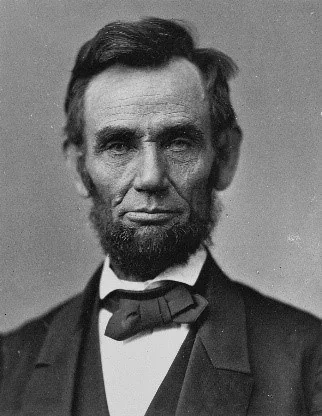
A selected story in Abraham Lincoln’s part of the collection.
 Person
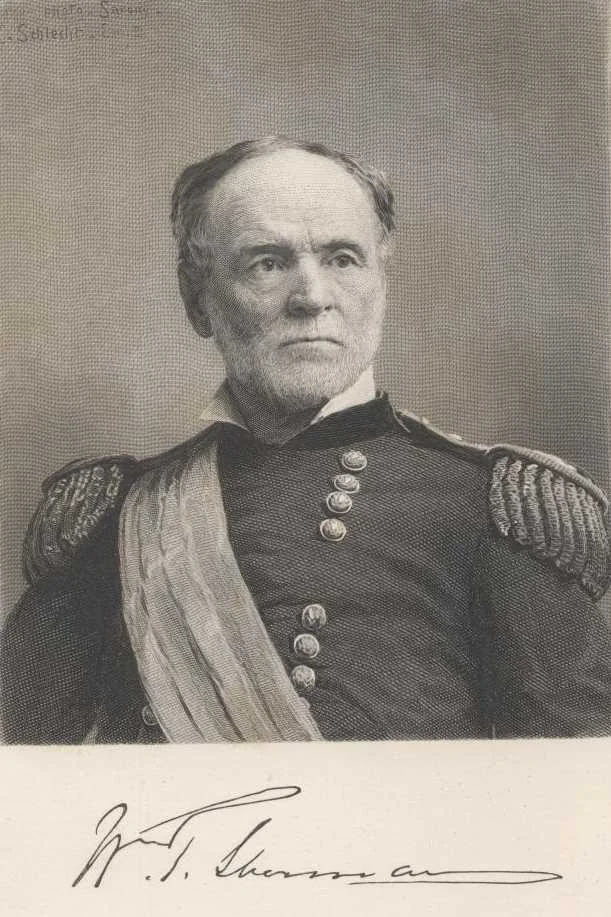
A selected story in William Tecumseh Sherman’s part of the collection.
SpeechEric’s question connects Brown’s warning with Lincoln’s contemplation of blood and judgment.