A changed public position
Lincoln endorsed a measure of Black suffrage in a public address about rebuilding the country.
Story · A CLOSER LOOK
ABOUT THIS STORY
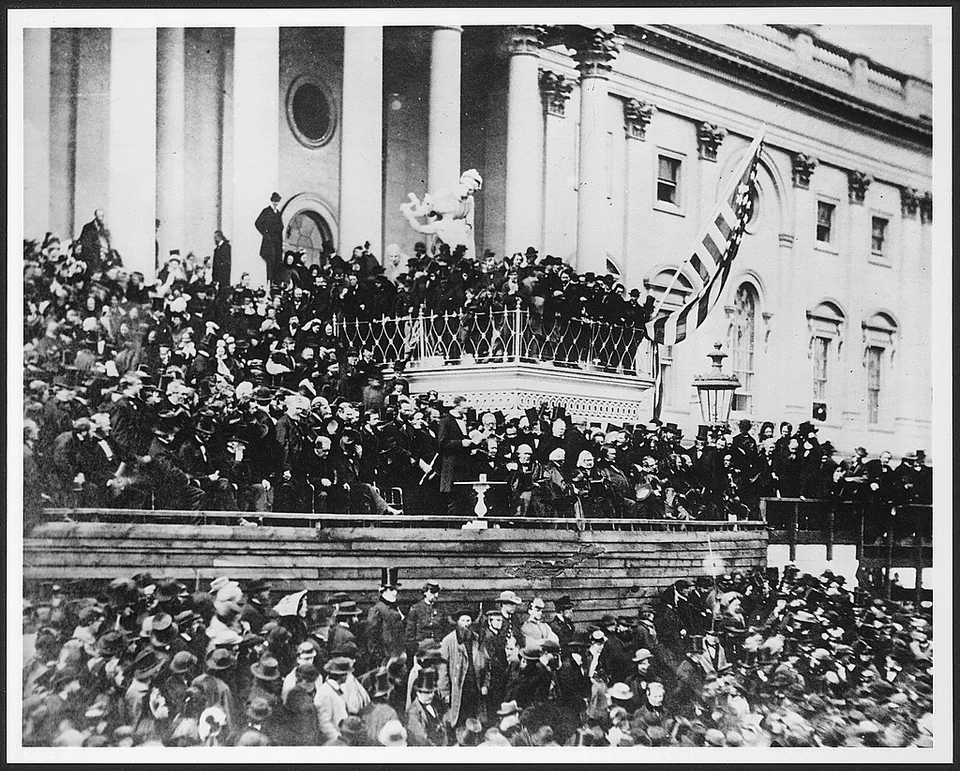
On April 11, 1865, Lincoln discussed Reconstruction and expressed support for voting rights for some Black men, particularly those who had served as soldiers. John Wilkes Booth was among the listeners.
An account of Booth’s response records his determination that this would be Lincoln’s last speech. Within days, he murdered the president. This episode belongs beside the growing regard between Lincoln and Douglass in the collection’s account of Lincoln’s trajectory.
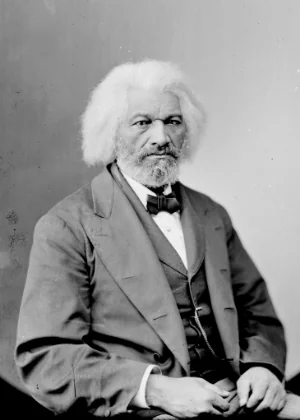
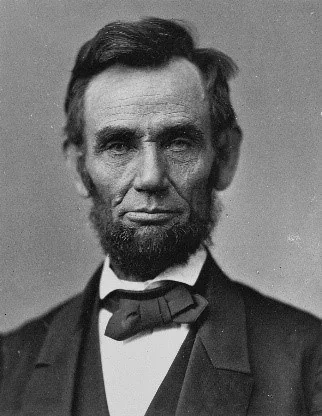
The thread that brought Lincoln love from Frederick Douglass brought him hate from John Wilkes Booth.
April 11–15, 1865 · White House · Ford’s Theatre
Lincoln’s final public address extends his public position on Black voting rights.
A CLOSER LOOK
Lincoln’s final public address extends his public position on Black voting rights.
Lincoln endorsed a measure of Black suffrage in a public address about rebuilding the country.
Booth’s reported reaction connects that address with the final days before the assassination.
START HERE
Last Speech (opens in a new tab)Source for The speech that brought hope—and hatred: Last Speech.
FOLLOW THE CONNECTIONS
Follow the original source to explore the work in its own context.
The threat is reported as spoken to a companion. The sources used here do not identify it as a journal entry.
Introductions are grounded in the sources below. Collection notes and reading prompts provide an editorial starting point; personal opinions are identified in the collection’s content.
KEEP EXPLORING