Beyond a war measure
The amendment prohibited slavery and involuntary servitude, except as punishment for a crime after conviction. It changed the Constitution rather than depending on the proclamation’s wartime reach.
Story · A CLOSER LOOK
ABOUT THIS STORY
The House passed the Thirteenth Amendment on January 31, 1865, after an earlier defeat. Lincoln supported the renewed effort, and the amendment went to the states for ratification.
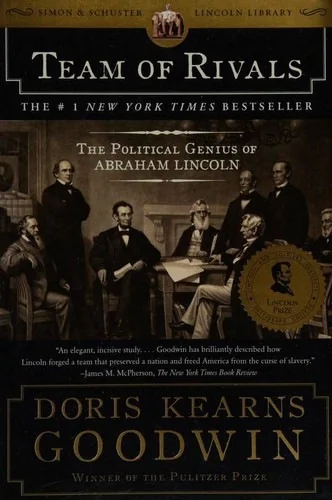
The remembered appeal about the president’s immense power gives this story a dramatic expression. Its route through later recollection, Team of Rivals, and the film Lincoln is part of the accompanying source note. The constitutional result is the center of the page.
January–December 1865 · U.S. Capitol
Lincoln presses for a constitutional end to slavery.
A CLOSER LOOK
Lincoln presses for a constitutional end to slavery.
The amendment prohibited slavery and involuntary servitude, except as punishment for a crime after conviction. It changed the Constitution rather than depending on the proclamation’s wartime reach.
Lincoln witnessed congressional passage. Ratification followed in December 1865, after his death.
START HERE
Thirteenth Amendment · National Archives (opens in a new tab)Source for “Get those votes”: the fight for abolition: Thirteenth Amendment · National Archives.
FOLLOW THE CONNECTIONS
Follow the original source to explore the work in its own context.
The extended “immense power” quotation comes through Representative John B. Alley’s later account, rather than a contemporary transcript. The film stages the episode as drama. This note identifies the form of the evidence; the story concerns Lincoln’s effort to secure passage.
Introductions are grounded in the sources below. Collection notes and reading prompts provide an editorial starting point; personal opinions are identified in the collection’s content.
KEEP EXPLORING