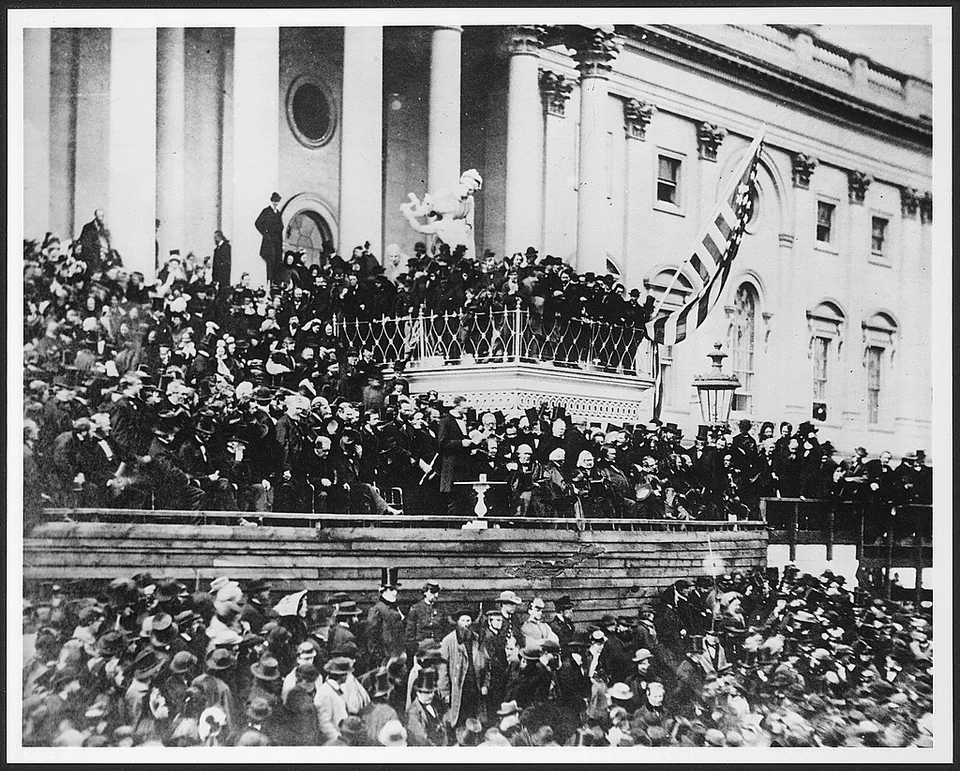
The proposal in its own words
The August 14 address describes colonization in Central America and asks the delegation to help lead it.
Story · A CLOSER LOOK
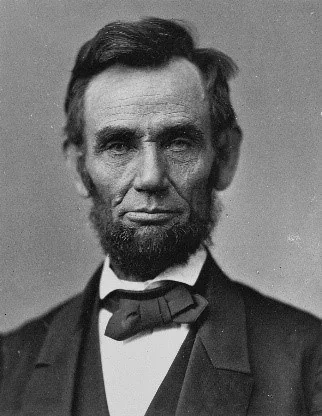
ABOUT THIS STORY
In August 1862, Lincoln met a delegation of Black men and urged them to consider emigration, presenting separation as an answer to racial conflict. Douglass rejected the premise that Black Americans, rather than slavery and prejudice, were responsible for the country’s troubles.
This episode belongs at the beginning of the relationship thread. Lincoln held views deeply unfriendly to the future Douglass sought. The later encounters matter because this was part of the distance between them.
August 1862 · Washington, D.C.
Lincoln’s colonization proposal and Douglass’s response establish how far their relationship would travel.
A CLOSER LOOK
Lincoln’s colonization proposal and Douglass’s response establish how far their relationship would travel.
The August 14 address describes colonization in Central America and asks the delegation to help lead it.
Douglass’s response placed responsibility on slavery and the country’s treatment of Black Americans, rather than accepting departure as the solution.
FOLLOW THE CONNECTIONS
Follow the original source to explore the work in its own context.
Introductions are grounded in the sources below. Collection notes and reading prompts provide an editorial starting point; personal opinions are identified in the collection’s content.
KEEP EXPLORING
PersonA selected story in Abraham Lincoln’s part of the collection.
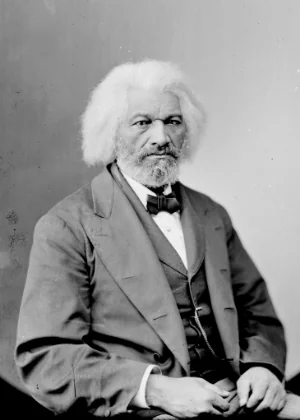 Person
A selected story in Frederick Douglass’s part of the collection.