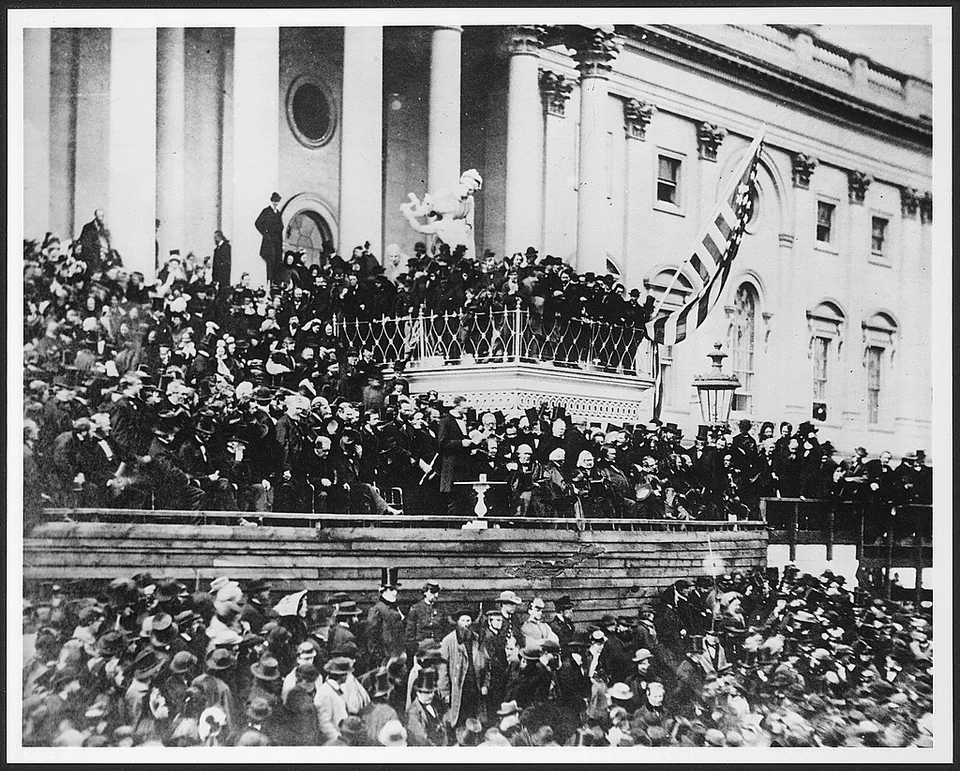
The soldiers behind the argument
Douglass’s recruitment work tied his own credibility to the government’s promises. He came with specific grievances, not a ceremonial request.
Story · A CLOSER LOOK
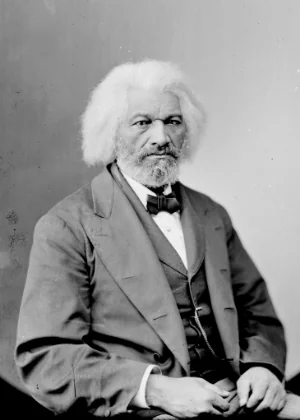
ABOUT THIS STORY
Douglass had helped recruit Black soldiers, including his sons. Unequal pay and the danger of enslavement or execution if captured made the government’s treatment of those men a personal as well as public concern.
At their August 1863 meeting, he pressed Lincoln on those wrongs. In his later account, Douglass remembered both the serious conversation and the absence of the racial condescension he had encountered elsewhere. The encounter began to change his understanding of Lincoln.
August 1863 · White House
Douglass arrives to press the claims of Black soldiers and encounters a president who receives him as a man.
A CLOSER LOOK
Douglass arrives to press the claims of Black soldiers and encounters a president who receives him as a man.
Douglass’s recruitment work tied his own credibility to the government’s promises. He came with specific grievances, not a ceremonial request.
Douglass’s description of Lincoln’s manner became part of his account of how respect developed before every disagreement had disappeared.
START HERE
Frederick Douglass · Life and Times (1881) (opens in a new tab)Source for 1863: a critic enters the White House: Frederick Douglass · Life and Times (1881).
FOLLOW THE CONNECTIONS
Follow the original source to explore the work in its own context.
Introductions are grounded in the sources below. Collection notes and reading prompts provide an editorial starting point; personal opinions are identified in the collection’s content.
KEEP EXPLORING
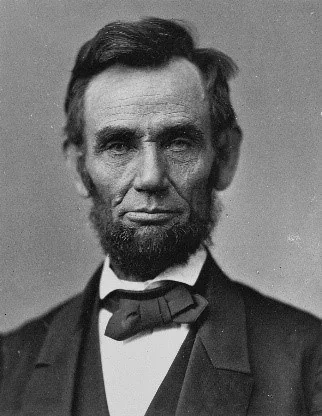 Person
A selected story in Abraham Lincoln’s part of the collection.
PersonA selected story in Frederick Douglass’s part of the collection.