Story · A CLOSER LOOK

“I will risk the dictatorship”

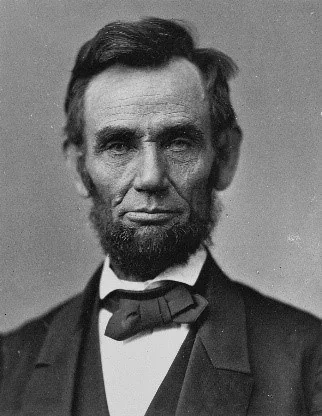
Black-and-white head-and-shoulders portrait of Abraham Lincoln in suit and bow tie, from the NPS history page.

ABOUT THIS STORY

Lincoln’s January 26, 1863 letter places Joseph Hooker at the head of the Army of the Potomac. It recognizes his courage and confidence, then confronts the ambition and undermining of a fellow commander that troubled the president.

Lincoln acknowledges Hooker’s reported wish for a dictator, says the appointment comes in spite of it, and asks for military success. He closes with a repeated warning against rashness and a call for energy and vigilance.

January 26, 1863 · Washington, D.C.

How it unfolded.

Abraham Lincoln →
  1. “I will risk the dictatorship”

    Lincoln appoints Hooker and answers his talk of a dictator in the same extraordinary letter.

IN THEIR OWN WORDS

Original texts.

Letter to Major General Joseph Hooker Full text
Executive Mansion Washington, January 26, 1863. Major General Hooker General: I have placed you at the head of the Army of the Potomac. Of course I have done this upon what appear to me to be sufficient reasons. And yet I think it best for you to know that there are some things in regard to which, I am not quite satisfied with you. I believe you to be a brave and a skilful soldier, which, of course, I like. I also believe you do not mix politics with your profession, in which you are right. You have confidence in yourself, which is a valuable, if not an indispensable quality. You are ambitious, which, within reasonable bounds, does good rather than harm. But I think that during Gen. Burnside’s command of the Army, you have taken counsel of your ambition, and thwarted him as much as you could, in which you did a great wrong to the country, and to a most meritorious and honorable brother officer. I have heard, in such way as to believe it, of your recently saying that both the Army and the Government needed a Dictator. Of course it was not for this, but in spite of it, that I have given you the command. Only those generals who gain successes, can set up dictators. What I now ask of you is military success, and I will risk the dictatorship. The government will support you to the utmost of it’s ability, which is neither more nor less than it has done and will do for all commanders. I much fear that the spirit which you have aided to infuse into the Army, of criticising their Commander, and withholding confidence from him, will now turn upon you. I shall assist you as far as I can, to put it down. Neither you, nor Napoleon, if he were alive again, could get any good out of an army, while such a spirit prevails in it. And now, beware of rashness. Beware of rashness, but with energy, and sleepless vigilance, go forward, and give us victories. Yours very truly A. LINCOLN

A CLOSER LOOK

The story behind it.

Lincoln appoints Hooker and answers his talk of a dictator in the same extraordinary letter.

Candor at the moment of promotion

The letter does not postpone the difficult conversation. Lincoln gives command while naming the behavior he expects Hooker to leave behind.

A pointed answer

The response to the dictator remark turns Hooker’s ambition toward the immediate obligation to win battles.

START HERE

Lincoln’s letter to Joseph Hooker · January 26, 1863 (opens in a new tab)

Source for “I will risk the dictatorship”: Lincoln’s letter to Joseph Hooker · January 26, 1863.

Sources for this closer lookLincoln’s letter to Joseph Hooker · January 26, 1863 (opens in a new tab)

Explore the original.

Follow the original source to explore the work in its own context.

Sources & credits

Introductions are grounded in the sources below. Collection notes and reading prompts provide an editorial starting point; personal opinions are identified in the collection’s content.

Black-and-white head-and-shoulders portrait of Abraham Lincoln in suit and bow tie, from the NPS history page.

National Park Service · Abraham Lincoln

Open the source (opens in a new tab)