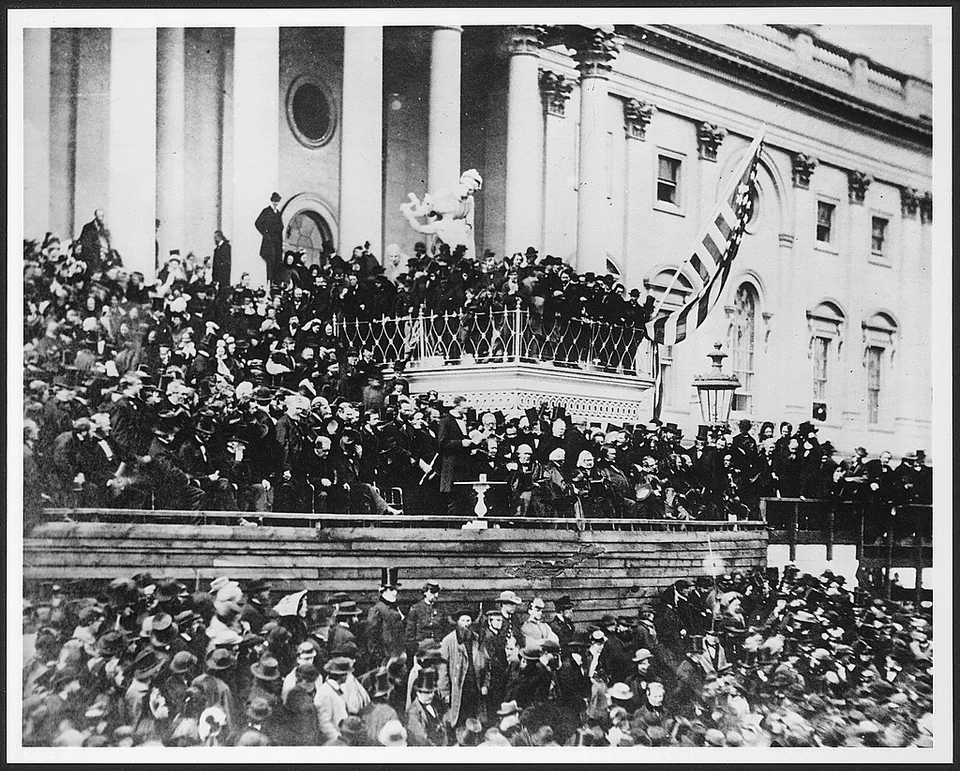
The day after the execution
The speech followed Brown’s hanging by a day. Lincoln was addressing a controversy still unfolding before the country.
Story · A CLOSER LOOK
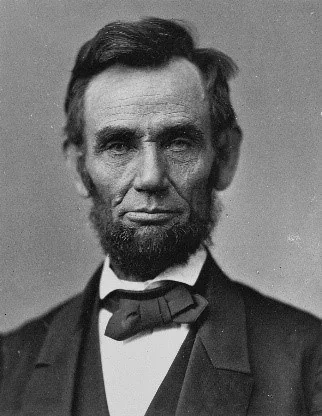
ABOUT THIS STORY
In the reported Leavenworth speech of December 3, 1859, Lincoln accepted Brown’s punishment while acknowledging their shared opposition to slavery. He rejected the use of violence and treason as the means.
He then turned the example toward those threatening to break the Union if Republicans won the presidency. The passage places Brown inside Lincoln’s argument about law, elections, and the survival of the Union.
December 3, 1859 · Leavenworth, Kansas
Lincoln’s response to Brown reveals the distance from which these trajectories began.
A CLOSER LOOK
Lincoln’s response to Brown reveals the distance from which these trajectories began.
The speech followed Brown’s hanging by a day. Lincoln was addressing a controversy still unfolding before the country.
Placed beside Douglass’s response to Brown, this speech records a substantial difference before the later Lincoln–Douglass relationship developed.
START HERE
Lincoln Brown (opens in a new tab)Source for Lincoln responds to John Brown: Lincoln Brown.
FOLLOW THE CONNECTIONS
Follow the original source to explore the work in its own context.
Introductions are grounded in the sources below. Collection notes and reading prompts provide an editorial starting point; personal opinions are identified in the collection’s content.
KEEP EXPLORING
PersonA selected story in Abraham Lincoln’s part of the collection.
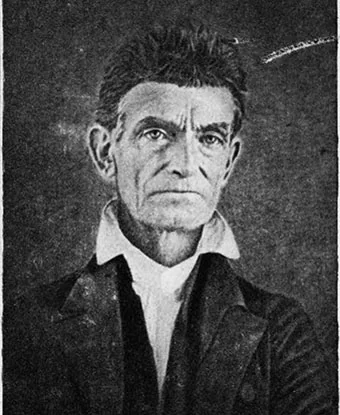 Person
A selected story in John Brown — The Meteor of the War’s part of the collection.