A familiar tune
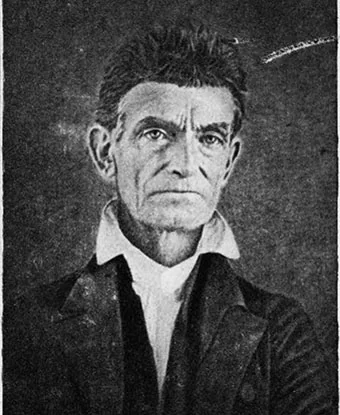
“John Brown’s Body” supplied a melody already carried by soldiers. Howe’s poem could enter an existing shared musical life.
Story · A CLOSER LOOK
ABOUT THIS STORY
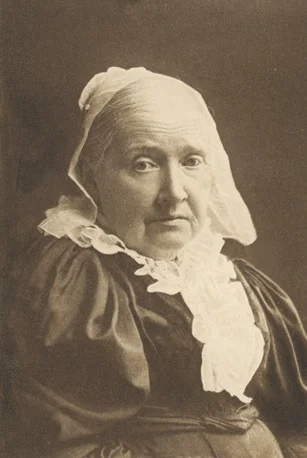
Howe wanted to contribute to the Union effort, yet felt that neither nursing nor preparing supplies was work she could readily undertake. A suggestion from James Freeman Clarke opened another possibility: words for a tune the soldiers already knew.
Her family’s account places the writing in the gray light before dawn. She waited as the verses formed, then reached for pen and paper. The scene connects the sound of marching soldiers with the private work of a writer.
November 1861 · Washington, D.C.
Howe and her companions hear and sing the soldiers’ song.
The family biography describes Howe writing the verses before returning to bed.
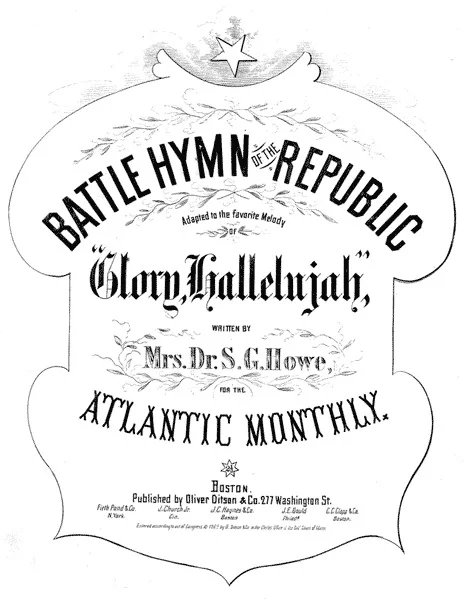
The poem appears in the magazine.
Explore the story →A CLOSER LOOK
A day among soldiers becomes a poem in the first light of morning.
“John Brown’s Body” supplied a melody already carried by soldiers. Howe’s poem could enter an existing shared musical life.
The Atlantic printed the words in its February 1862 issue; singers supplied the familiar tune and chorus.
FOLLOW THE CONNECTIONS
Follow the original source to explore the work in its own context.
Introductions are grounded in the sources below. Collection notes and reading prompts provide an editorial starting point; personal opinions are identified in the collection’s content.
KEEP EXPLORING