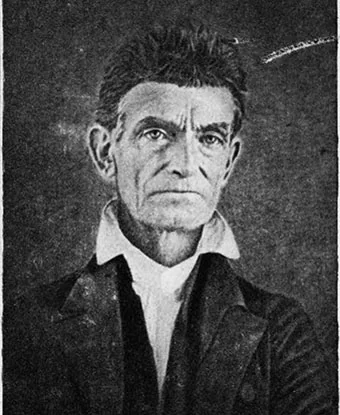
A song inside the war
Howe’s family biography recounts Chaplain Charles McCabe leading prisoners in the hymn after news of the Union victory at Gettysburg, and later singing it before Lincoln.
Song · A CLOSER LOOK
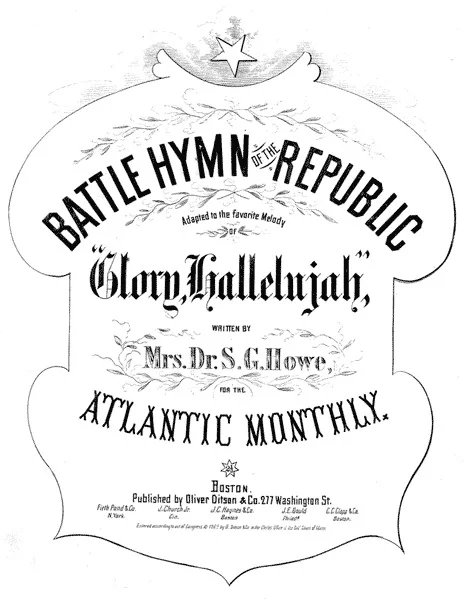
ABOUT THIS SONG
Howe’s poem appeared in the February 1862 Atlantic. Set to the tune already associated with “John Brown’s Body,” its words carried the soldiers’ song into a biblical vision of the struggle over slavery.
The final stanza joins the beauty of Christ’s birth to a call for the living to accept the cost of making others free. The original text is here in full.
Selected passage
In the beauty of the lilies Christ was born across the sea, With a glory in his bosom that transfigures you and me: As he died to make men holy, let us die to make men free, While God is marching on.
Words by Julia Ward Howe · published 1862
My favorite part is the stanza beginning “In the beauty of the lilies,” especially “As he died to make men holy, let us die to make men free.”
IN THEIR OWN WORDS
A CLOSER LOOK
A marching tune becomes a vision of judgment, sacrifice, and freedom.
Howe’s family biography recounts Chaplain Charles McCabe leading prisoners in the hymn after news of the Union victory at Gettysburg, and later singing it before Lincoln.
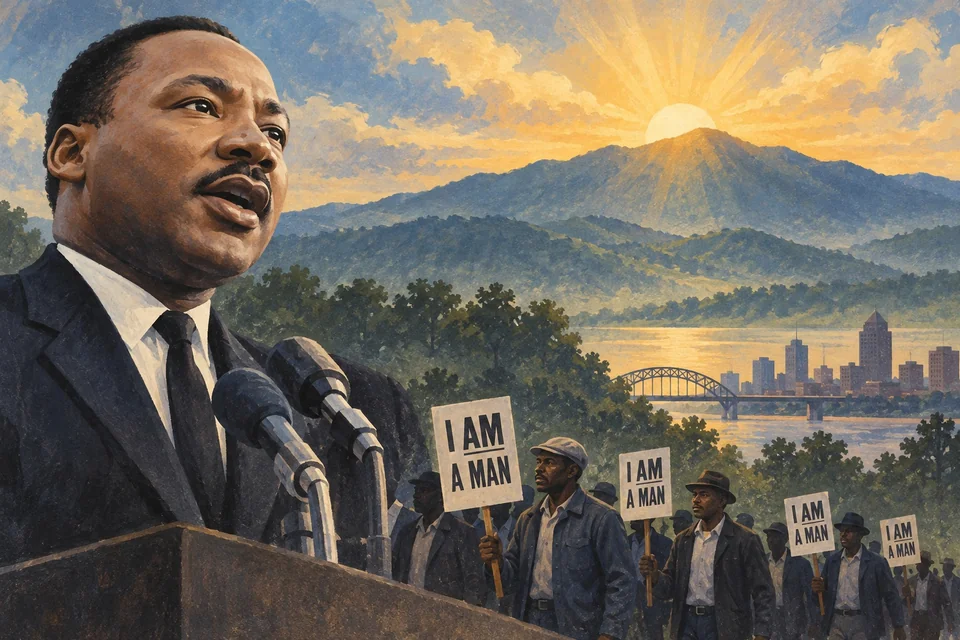
MLK ended his April 3, 1968 Mountaintop speech with the hymn’s opening words. The connection joins this song to another of the collection’s most important speeches.
START HERE
The Atlantic · February 1862 text (opens in a new tab)Source for Battle Hymn of the Republic: The Atlantic · February 1862 text.
FOLLOW THE CONNECTIONS
Follow the original source to explore the work in its own context.
The account of the prisoners’ singing and Lincoln asking to hear the hymn again appears in Howe’s family biography. It is presented as a later account of the song’s reception.
The linked 97th Regimental String Band recording sings “let us die to make men free.” The final stanza was checked against the downloaded audio. The link opens near that stanza.
Introductions are grounded in the sources below. Collection notes and reading prompts provide an editorial starting point; personal opinions are identified in the collection’s content.
KEEP EXPLORING
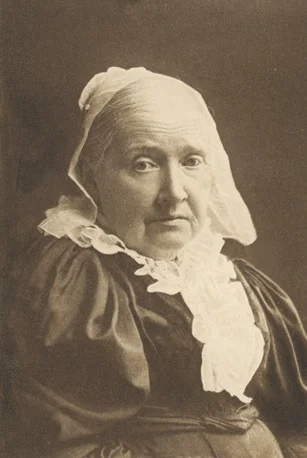 Person
Selected work associated with Julia Ward Howe.
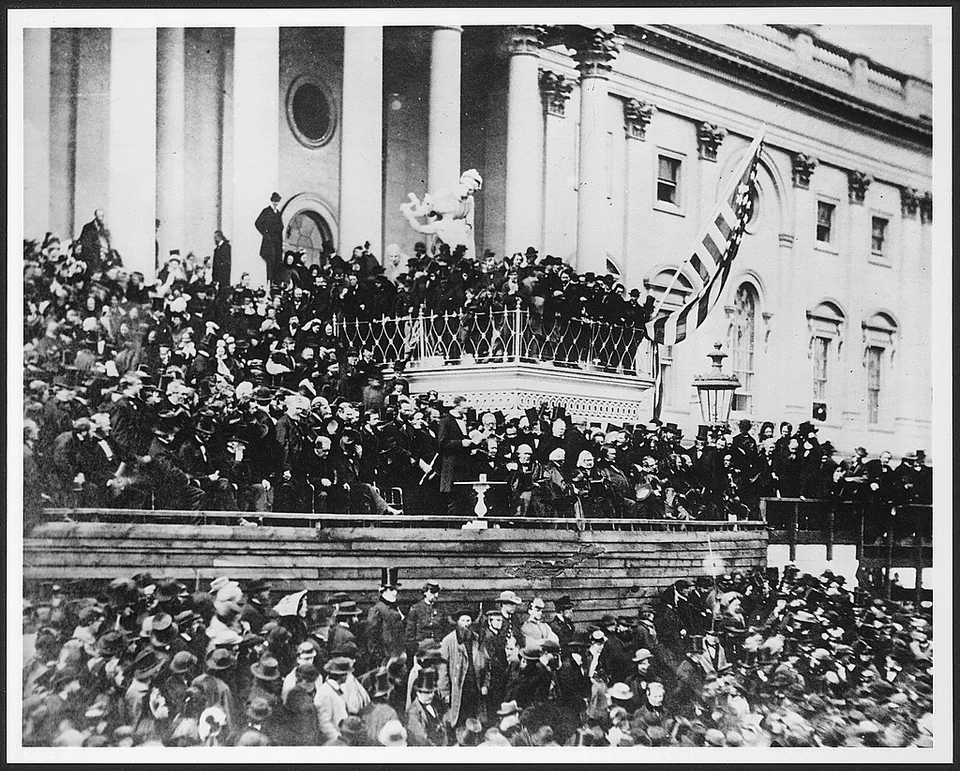 Speech
Both use religious language within the Civil War, with different tones of judgment and responsibility.
SongHowe wrote new words for the tune soldiers already knew.
 Speech
King closes the Mountaintop speech with the hymn’s opening words.