Citizenship
The first section defines national and state citizenship for people born or naturalized in the United States and subject to its jurisdiction.
Story · A CLOSER LOOK
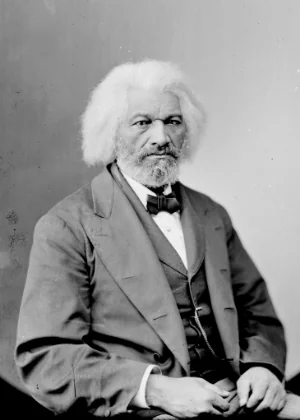
ABOUT THIS STORY
The Fourteenth Amendment made citizenship and constitutional protections central to Reconstruction. Congress proposed it in 1866, and it was ratified in 1868.
The timeline continues beyond Lincoln’s death through the work and public arguments of Douglass’s later life. Emancipation had opened the question of what freedom would mean in law and citizenship.
1866–1868 · United States
The struggle continues into Reconstruction and the Fourteenth Amendment.
A CLOSER LOOK
The struggle continues into Reconstruction and the Fourteenth Amendment.
The first section defines national and state citizenship for people born or naturalized in the United States and subject to its jurisdiction.
The same section addresses privileges or immunities, due process, and equal protection, making it a lasting constitutional foundation for civil rights.
START HERE
Fourteenth (opens in a new tab)Source for After Lincoln: citizenship in the Constitution: Fourteenth.
Follow the original source to explore the work in its own context.
Introductions are grounded in the sources below. Collection notes and reading prompts provide an editorial starting point; personal opinions are identified in the collection’s content.
KEEP EXPLORING
PersonA selected story in Frederick Douglass’s part of the collection.
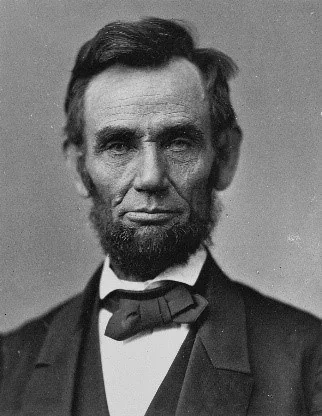 Story
The later constitutional struggle continues beyond emancipation and Lincoln’s lifetime.