Four stages of competence
The model moves from not recognizing a missing skill, to recognizing it, to performing with attention, to performing without deliberate monitoring of every step.
Framework · A CLOSER LOOK
ABOUT THIS FRAMEWORK
The model moves through unconscious incompetence, conscious incompetence, conscious competence, and unconscious competence. Tendler uses it to explain why recognizing a problem is different from correcting it reliably.
The stages are a useful model, not a rigid biological timetable or a reason to put every decision on autopilot.
A CLOSER LOOK
A way to distinguish noticing a weakness, performing with attention, and developing a more automatic skill.
The model moves from not recognizing a missing skill, to recognizing it, to performing with attention, to performing without deliberate monitoring of every step.
Tendler uses the model to distinguish an idea a player understands from a skill the player can execute under pressure. The distinction explains why insight may precede reliable performance.
START HERE
Jared Tendler · Learning More Efficiently (opens in a new tab)Source for Adult Learning Model: Jared Tendler · Learning More Efficiently.
Follow the original source to explore the work in its own context.
Introductions are grounded in the sources below. Collection notes and reading prompts provide an editorial starting point; personal opinions are identified in the collection’s content.
KEEP EXPLORING
 Person
Tendler uses the four-stage competence model in his discussion of learning and mental performance.
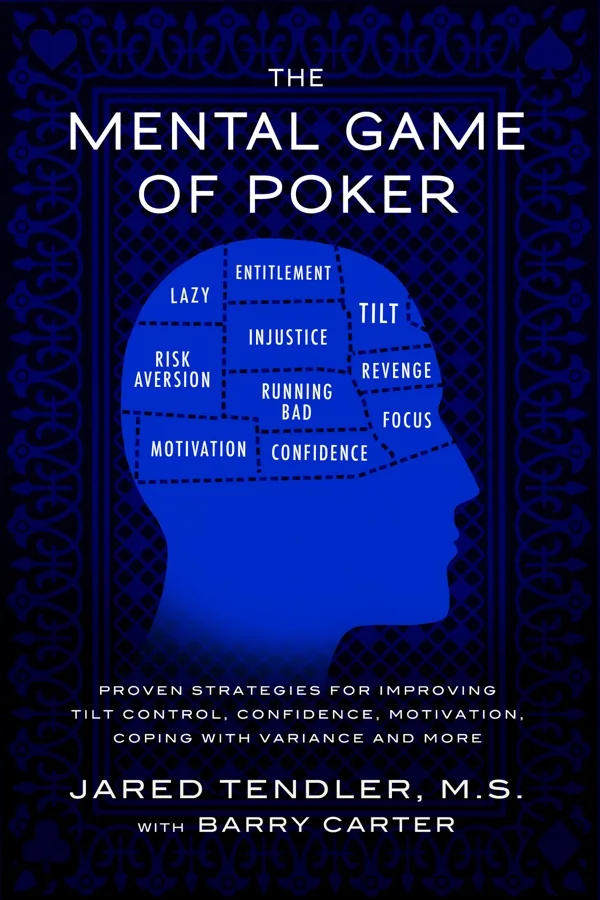 Book
Explore the learning model through Tendler’s mental-game approach; identifying a weakness is a starting point for practice.
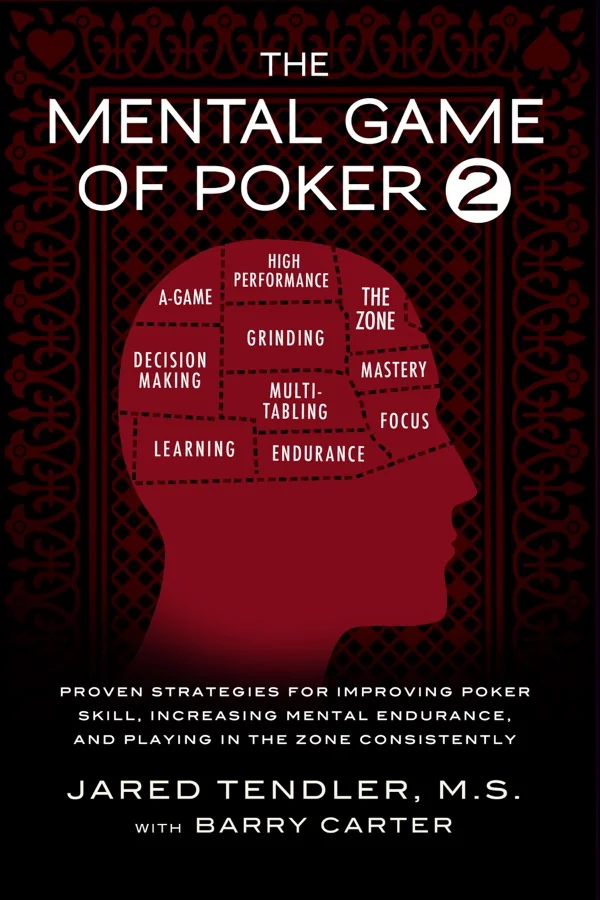 Book
Read the sequel alongside the model to consider attention, learning, and performance under pressure.
 Book
Compare a coaching model of automatic skill with Beilock’s account of attention and performance under pressure.